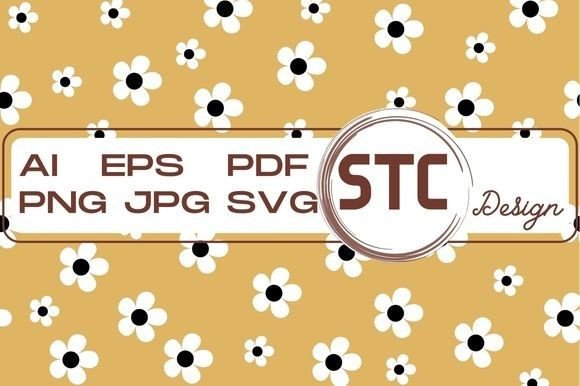
White Flowers Patterns Yellow Background
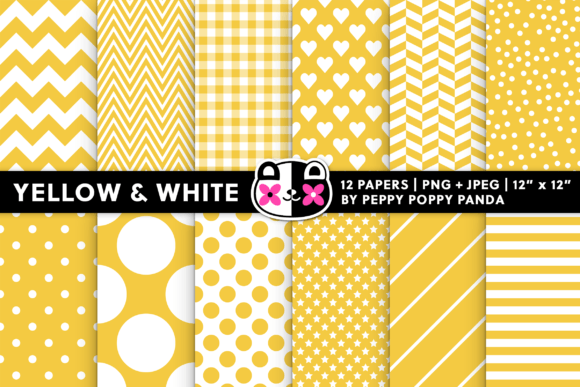
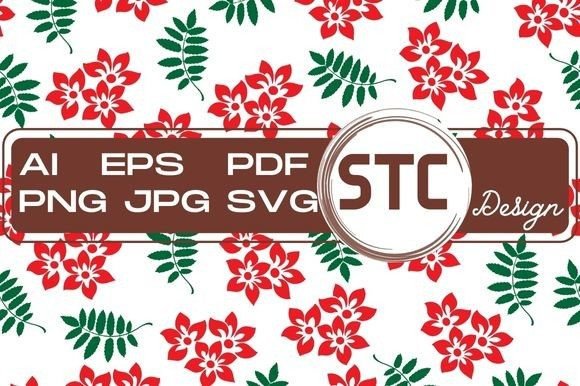
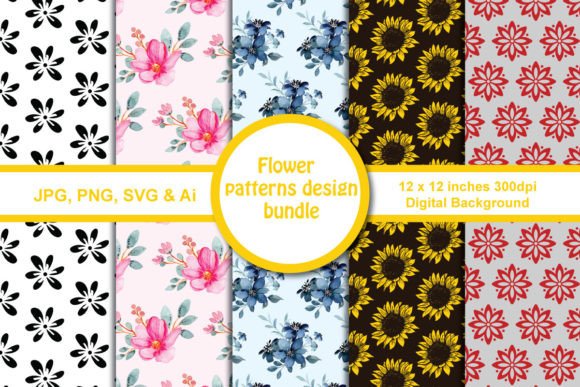
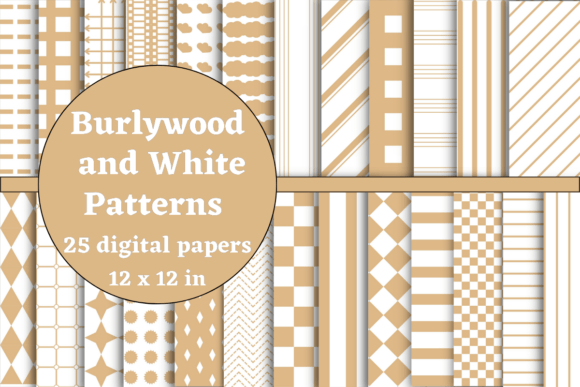
If you're designing for impact—whether launching a boutique clothing line, refreshing your blog’s aesthetic, or crafting a vibrant educational handout—you’ll appreciate how White Flowers Patterns Yellow Background delivers both visual warmth and professional versatility. This isn’t just another floral repeat; it’s a thoughtfully balanced, modern vector pattern that pairs crisp botanical motifs with a rich, sunlit yellow ground—designed to energize without overwhelming.
A Pattern Built for Real-World Flexibility
At its core, this design is a high-resolution, seamless digital paper pattern—meaning it repeats flawlessly edge-to-edge, whether tiled across a 48-inch wallpaper mural or scaled down to a subtle texture on a notebook cover. Each file measures 12 × 12 inches (3600 × 3600 pixels at 300 dpi), giving you ample room to crop, layer, or resize without pixelation or distortion.
The package includes formats tailored to different workflows: an editable AI file for Illustrator users who need full path control; an EPS file for legacy compatibility and vector scalability; a print-ready PDF; crisp PNGs in RGB optimized for websites, social banners, and digital presentations; and JPEGs in CMYK, pre-configured for accurate color reproduction on brochures, fabric prints, and packaging.
Where This Design Truly Shines
White Flowers Patterns Yellow Background bridges aesthetics and function across diverse contexts—here’s how professionals are using it right now:
- E-commerce & Print-on-Demand: Sellers on Etsy, Redbubble, or Teespring apply it directly to mug mockups, tote bag templates, or planner covers. The yellow base ensures white florals pop on dark-mode previews, while the CMYK JPEGs maintain color fidelity during bulk printing.
- Fabric & Textile Design: Batik artisans and indie apparel brands use the seamless tile to create custom yardage for scarves, dresses, or table linens. Because the pattern avoids tight clustering or directional stems, it drapes naturally and reads well at multiple scales—from close-up embroidery detail to full-garment coverage.
- Educational & Publishing Tools: Teachers embed the PNG version into Google Slides or Canva templates for lesson headers, certificate backgrounds, or printable worksheets. The yellow adds cheer without straining eyes, and the white florals provide gentle visual hierarchy—guiding attention without competing with text.
- Branding & Marketing Collateral: Small studios use the AI file to extract individual blossoms and integrate them into logos, icons, or branded email footers. The clean vector paths allow easy recoloring—swap yellow for navy or sage to align with seasonal campaigns or client palettes.
Why Designers Choose This Over Generic Alternatives
Not all floral patterns age well—or adapt smoothly. Many “vintage-inspired” repeats rely on heavy shading or inconsistent line weights that break down when resized. Others use saturated yellows that shift unpredictably between screens and press runs. White Flowers Patterns Yellow Background avoids those pitfalls through intentional restraint: the flowers are simplified but not abstract—recognizable as botanical forms, yet stylized enough to feel contemporary. The yellow is warm and saturated, but carefully calibrated to sit comfortably in both RGB and CMYK spaces.
It also respects workflow efficiency. You won’t waste time manually adjusting bleed, re-tessellating tiles, or converting color modes. Everything ships production-ready—including the seamless alignment baked into every format. That saves 15–30 minutes per project, which adds up fast if you’re managing multiple client assets or seasonal product drops.
Practical Tips for Best Results
Before importing into your next project, keep these real-world notes in mind:
- For web use: Stick with the PNG files. They’re RGB, transparent-capable (where applicable), and load quickly—even at full 3600px width. Use CSS background-size: cover or contain depending on whether you want full-screen impact or precise tiling.
- For fabric printing: Confirm your vendor’s preferred format—most accept PDF or EPS, but some require flattened RGB TIFFs. If needed, open the PDF in Illustrator, ungroup elements, and re-export as a flattened TIFF at 300 dpi. Avoid resampling unless absolutely necessary.
- For branding consistency: Extract one flower motif from the AI file and save it as a standalone SVG. Use it as a subtle watermark on proposals, a bullet icon in pitch decks, or a favicon overlay—reinforcing visual continuity without repeating the full pattern.
- For accessibility: When placing text over the pattern, maintain at least 4.5:1 contrast. White text works reliably on the yellow base, but avoid light yellow or pale cream type. Test readability in both daylight and low-light settings—especially for planners or journal covers meant for daily use.
More Than Just a Background—A Design Accelerator
This pattern doesn’t ask you to compromise. It supports creativity without demanding extra labor. Whether you’re a freelance graphic designer juggling three clients before lunch, a teacher prepping Monday’s materials after school, or a maker testing new fabric dye techniques—it reduces friction. You get professional-grade assets, not placeholder graphics dressed up as premium.
And because it’s delivered in a single 4.47 MB ZIP folder—no subscriptions, no watermarks, no usage limits—you retain full control. No licensing surprises. No hidden fees for commercial resale. Just clean, adaptable, joyful design ready when inspiration strikes—or when the deadline looms.
Final Thought: Match Intention With Execution
Great design isn’t about complexity—it’s about clarity of purpose and consistency of execution. White Flowers Patterns Yellow Background succeeds because it answers specific questions: Does it scale? Yes. Does it print accurately? Yes. Does it support brand voice without shouting over content? Yes. Does it feel fresh but not fleeting? Absolutely.
If your work involves communicating warmth, growth, or approachability—and you value tools that respect your time and elevate your output—this pattern earns its place in your active asset library. Not as decoration, but as infrastructure.