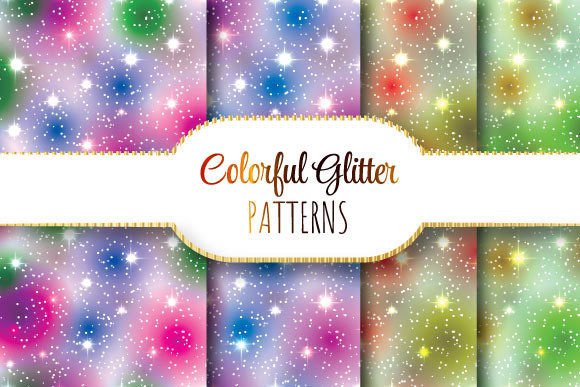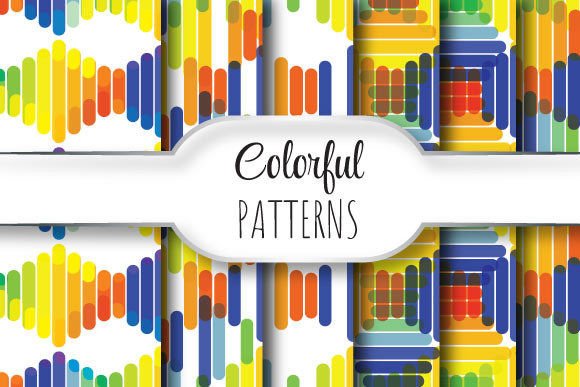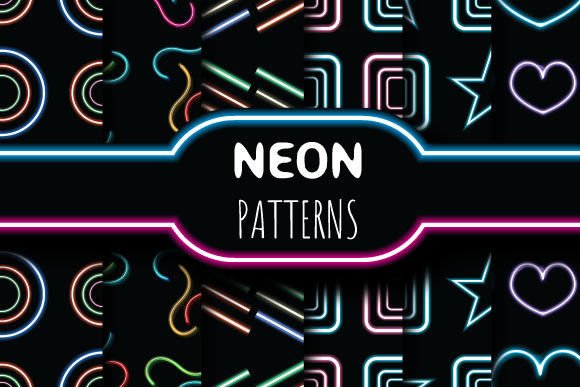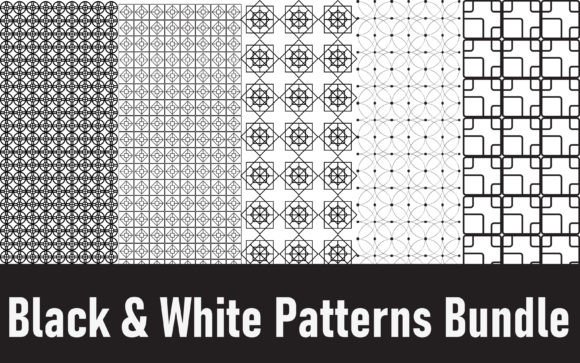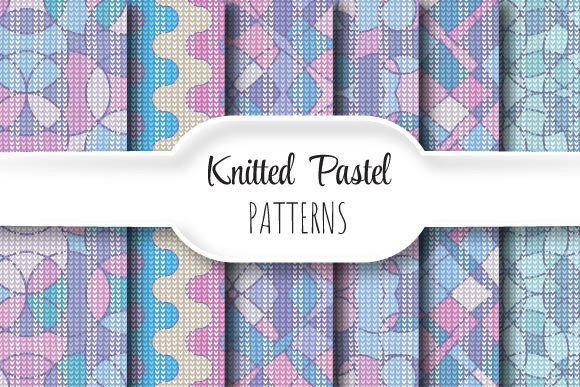
Patterns Vector: Flexible, Scalable Design Resources for Real-World Projects
Patterns Vector refers to a category of digital design assets—repeating motifs, textures, borders, backgrounds, and decorative elements—saved in vector format. Unlike raster images (like standard JPGs), vector-based patterns retain crisp clarity at any size, making them indispensable for designers, marketers, print professionals, and crafters who need precision, adaptability, and professional output across diverse media.
Whether you're designing packaging for a small-batch skincare line, creating branded merchandise for a nonprofit, or building responsive web interfaces with subtle background textures, Patterns Vector gives you the freedom to scale, recolor, edit, and integrate seamlessly—without quality loss or workflow friction.
Why Designers and Creators Turn to Patterns Vector
Many professionals hit roadblocks when working with repetitive visual elements. Common challenges include:
- Pixelation or blurriness when enlarging patterned backgrounds for banners, signage, or large-format prints;
- Time-consuming manual editing of raster files to match brand colors or adjust spacing;
- Compatibility issues between design tools—especially when collaborating across Adobe Illustrator, CorelDRAW, or other vector environments;
- Limited flexibility in adapting patterns for different surfaces (e.g., fabric repeats vs. web UI tiles vs. embossed stationery);
- Copyright uncertainty when sourcing free patterns online, risking legal exposure or inconsistent licensing terms.
Patterns Vector directly addresses these pain points—not as a theoretical advantage, but as a practical solution built into how the files are structured and delivered.
How Patterns Vector Solves Real Workflow Problems
When you receive a Patterns Vector package in EPS, AI, CDR, and JPG formats, you’re not just getting multiple file types—you’re receiving layered access to the same intelligent design asset.
The EPS and AI files preserve full vector scalability and layer integrity, letting you isolate individual pattern units, change stroke weights, adjust anchor points, or convert swatches to Pantone-matched spot colors for offset printing. The CDR version ensures seamless use in CorelDRAW—critical for sign shops, textile studios, and regional design teams relying on that ecosystem. And the JPG serves as an immediate, universally compatible preview or fallback for presentations, mood boards, or CMS uploads where vector support isn’t available.
This multi-format delivery means you don’t have to choose between fidelity and functionality—you get both, right out of the download.
Practical Applications Across Industries
Patterns Vector isn’t niche—it’s versatile by design. Here’s how different users apply it meaningfully:
- Graphic designers use seamless vector patterns to build custom brand guidelines—embedding tileable motifs into business cards, letterheads, and digital templates that scale flawlessly from mobile screens to trade show backdrops.
- Product developers integrate geometric or organic Patterns Vector into packaging mockups, testing repeat alignment and bleed margins before production—reducing costly physical proofs.
- Textile and surface designers adapt vector repeats for fabric printing workflows, adjusting repeat dimensions (half-drop, brick, mirror) without redrawing, and exporting precise CMYK separations for screen or digital textile printers.
- Web and UI designers export optimized SVG versions (derived from AI/EPS sources) for lightweight, resolution-independent CSS backgrounds or animated loading states—improving performance and accessibility.
- Educators and students use editable Patterns Vector files to teach core concepts like tiling logic, color theory in repetition, and vector path manipulation—turning abstract principles into hands-on learning.
Getting the Most From Your Patterns Vector Files
To maximize value, start with intention—not just aesthetics. Ask yourself:
- What’s the primary output medium? If it’s large-format print, prioritize EPS or AI and verify color mode (CMYK vs. RGB). For web use, extract clean paths and export as SVG.
- Do you need to recolor or restructure the pattern? Open the AI file first—it offers the most intuitive layer organization and global swatch control. Use the “Pattern Options” panel to tweak spacing, overlap, and tile type non-destructively.
- Is collaboration involved? Share the CDR version with Corel-based partners and the EPS with vendors using older RIP software—it’s the most universally supported vector interchange format.
- Are accessibility or performance concerns present? Avoid embedding high-res JPG previews inside vector files for web use. Instead, serve SVG natively and provide a compressed JPG fallback only where needed.
Also consider licensing: Reputable Patterns Vector collections include clear commercial-use rights—no hidden restrictions on quantity, geography, or end product. Always verify usage terms before deploying in client work or mass production.
Tailoring Patterns Vector to Your Role and Goals
Your approach depends less on technical title and more on your immediate objective:
- If your goal is speed and consistency (e.g., producing weekly social graphics), save commonly used Patterns Vector as Creative Cloud Libraries assets—sync them across devices and drag-and-drop into new documents with matched colors and scale.
- If your priority is precision and control (e.g., preparing for foil stamping or laser engraving), work exclusively in AI or CDR, zoom to 1600%, and inspect anchor point distribution to ensure clean cuts and uniform line weight.
- If you’re teaching or documenting, use the JPG preview alongside annotated vector layers to illustrate how pattern logic translates visually—making abstract design systems tangible for learners.
No single method is “best.” What matters is aligning the capabilities of Patterns Vector with your actual task—not forcing your project into a pre-defined template.
Final Considerations Before You Implement
Before importing or adapting Patterns Vector into your next project, take two quick checks:
- Verify seamless tiling. Duplicate the pattern unit, offset it by one full tile width/height, and check for visible seams or misaligned edges—especially important for textiles and wall coverings.
- Test color interaction. Apply the pattern over light, dark, and gradient backgrounds. Some vector patterns rely on transparency or blending modes that behave differently outside their original document context.
And remember: Patterns Vector isn’t about filling space—it’s about reinforcing identity, guiding attention, and adding tactile sophistication without sacrificing scalability. When chosen thoughtfully and applied intentionally, it becomes part of your design language—not just decoration.
Whether you're refining a logo lockup, prototyping sustainable packaging, or launching a boutique apparel line, Patterns Vector delivers reliable, editable, future-ready foundation elements—so you spend less time fixing pixels and more time expressing ideas.